
Browse our services
Explore how Shearwater Law can help you

Find a maritime expert
Meet our team, find and expert and connect

Talk to our experts
Get in touch, we're here to help

The Union of Greek Shipowners (UGS) has urged the European Union to fully transpose the International Maritime Organisation’s Net-Zero Framework (NZF) into EU law should the IMO adopt the framework in October 2025.
In its 2024–2025 annual report, the UGS argued that full transposition would prevent overlapping regulations on greenhouse-gas emissions for maritime transport and eliminate regional measures such as the extension of the EU Emissions Trading System (ETS) and the FuelEU Maritime Regulation.
The UGS report identified several challenges within the proposed IMO NZF, highlighting a complex GHG Fuel Intensity (GFI) trajectory with annual reduction targets deemed unrealistic, coupled with disproportionately high penalties for ships that under-comply.
Key mechanisms remain undefined, including the methodology for rewarding zero-or-near-zero fuels and technologies, as well as the governance and disbursement structure of the IMO Net-Zero Fund.
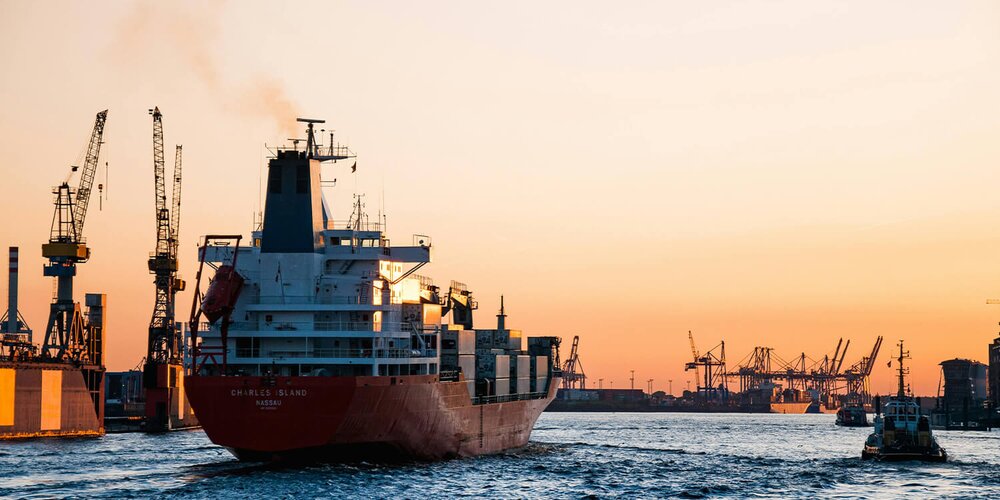
Greek shipowners currently operate the largest merchant fleet in the world by deadweight tonnage, with 5,691 vessels accounting for approximately 20% of global capacity.
Since 2015, the Greek-controlled fleet has grown its capacity by over 42%, serving bulk and tramp trades that carry staple commodities such as food, raw materials and energy products.
Investment in new tonnage has accelerated sharply. The Greek orderbook stood at 56.2 million dwt at the time of the report, nearly four times the 14.4 million dwt on order in 2021.
Over the past five years, the number of vessels on order by Greek owners has increased more than fivefold, showing sustained confidence in shipping markets and continued fleet renewal.
The report also detailed significant reinvestment of shipping capital into the wider economy. Greek shipowners channel an estimated $1.5 billion annually into sectors beyond maritime, including real estate, amounting to roughly 15% of the country’s yearly property transactions, and strategic business groups in energy, hospitality, media, and sports.
Employment generated by Greek shipping provides approximately 10% of the country’s private‐sector payroll, with around 160,000 direct and indirect jobs linked to the industry. Average wages in shipping firms are reported to be three times higher than the national private‐sector average.
In light of these findings, the UGS called on EU policy-makers to avoid fragmented regional measures that could penalise transitional fuels such as liquefied natural gas and undermine substantial industry investments.
The report argued that broader support for all viable fuels and technologies is essential for a realistic, fit-for-purpose energy transition. It stressed the importance of involving shipowners in the governance of the substantial revenues expected to flow into the IMO Net-Zero Fund.
From bulk commodity cargoes to specialist reefer and containerised cargoes, the international trade of goods by sea is covered by national, regional and international regulations and standards.
With trade often involving numerous parties and passage through multiple jurisdictions, contracts, agreements, and disputes can quickly become complex and costly.
Shearwater Law’s international trade team is adept at providing English law legal assistance on a cross-border, multi-party basis. If you require support with an international trade related issue, speak to Shearwater Law today.
Explore how Shearwater Law can help you
Meet our team, find and expert and connect
Get in touch, we're here to help