
Browse our services
Explore how Shearwater Law can help you

Find a maritime expert
Meet our team, find and expert and connect

Talk to our experts
Get in touch, we're here to help

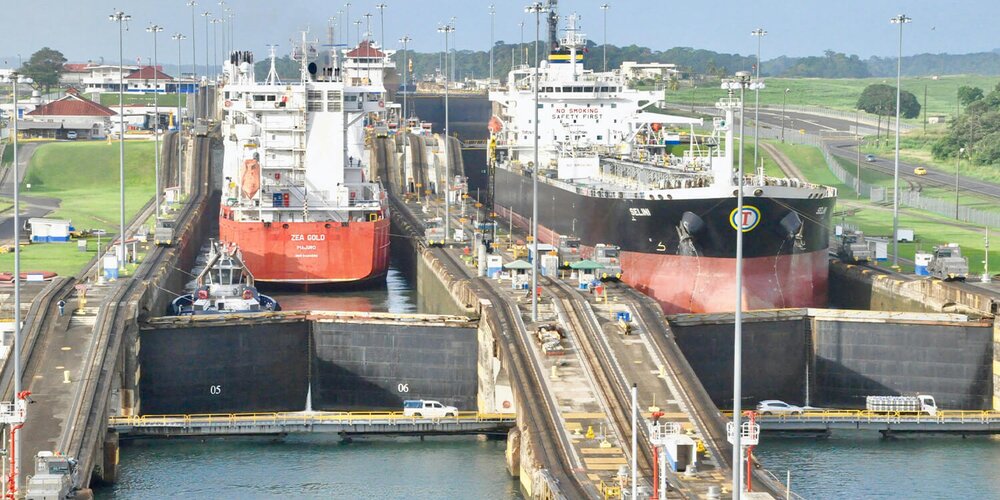
In an effort to minimise detentions and stop “ghost-fleet” vessels from entering its flag, Panama’s ship registry has introduced a rule preventing the registration of oil tankers and bulk carriers older than 15 years.
The measure follows an analysis showing that 71% of detentions between 2023 and mid-2025 involved bulk carriers, general cargo ships or tankers exceeding the age limit.
The new policy, incorporated into Permanent Merchant Marine Notice MMN 11/2024, upgrades the Precheck process that all vessels must pass before registering under the Panamanian flag. In addition to existing criteria, owners must now demonstrate that their ships do not fall foul of sanctions and pose no heightened operational risks due to age or condition.
Under the framework, recognised organisations issuing statutory certificates are required to carry out inspections every three months for vessels identified as deficient, with the option to increase the frequency of checks.
Panama has also strengthened verification of Safety Management Systems through targeted audits. Any non-conformities related to fire-fighting, navigation or maintenance protocols may trigger immediate follow-up inspections.
These steps are part of a wider strategy by the Panama Maritime Authority to monitor its fleet and adjust controls to maintain high compliance levels. The registry has reported that older vessels typically account for the majority of safety-related detentions and deficiencies, prompting the decision to block their registration at source.
Earlier this year, Panama tightened requirements for ship-to-ship (STS) oil transfers involving tankers flying its flag.
All Panama-registered vessels of 150 GT or more must now submit a notification at least 48 hours before any offshore transfer of hydrocarbons, detailing participating ships (with IMO numbers), transfer coordinates, start and end times, cargo volumes and transfer method.
Operators must also provide evidence of an STS plan compliant with MARPOL Regulation 41 and keep an electronic acknowledgement of receipt onboard. Panama’s STS rules apply to underway and at-anchor transfers and mandate the identification of the designated person ashore for each operation.
Shipowners and classification societies will now need to verify vessel age and condition before enrolling new tonnage under the Panamanian flag. Vessels approaching their 15-year anniversary will be subject to scrutiny during the Precheck process and may be advised to seek alternative flags if deemed non-compliant.
The registry’s update is expected to come into force in the coming weeks, following publication of the revised MMN 11/2024.
From small regional ports to major international multimodal hubs, Shearwater Law is trusted to provide legal advice on the issues that can arise in the ports and logistics sectors. Our ports and logistics team is adept at advising on common ports and logistics related incidents including accidents, damage claims, and pollution claims.
If you require assistance with ports and logistics legal requirements, speak with our team today.
Explore how Shearwater Law can help you
Meet our team, find and expert and connect
Get in touch, we're here to help