
Browse our services
Explore how Shearwater Law can help you

Find a maritime expert
Meet our team, find and expert and connect

Talk to our experts
Get in touch, we're here to help

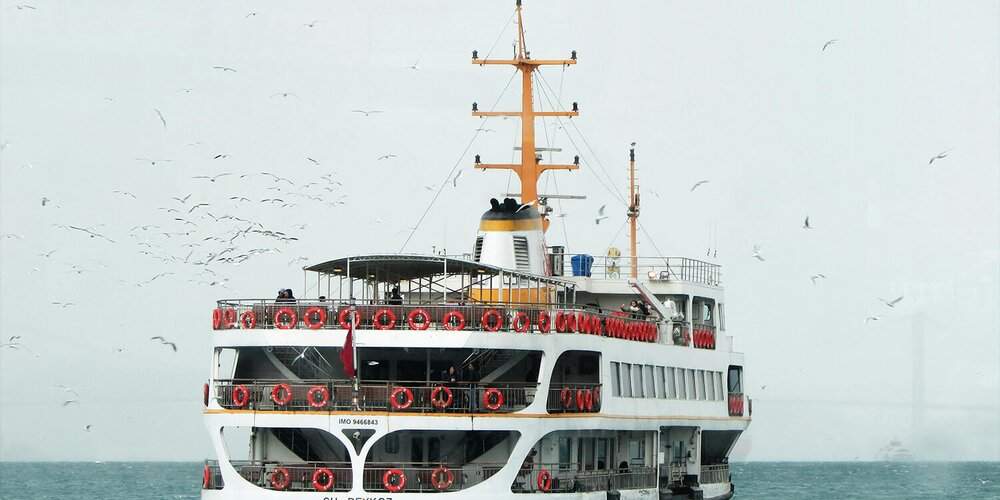
Transport Scotland and CalMac Ferries have signed legally binding agreements to bring the Clyde and Hebrides Ferry Service (CHFS) under full public control.
The change took effect on 1st October 2025, securing almost £4 billion of public funding for the service over a ten‑year period.
Cabinet Secretary for Transport Fiona Hyslop described the shift as a fundamental change in purpose, moving CHFS from a commercial contract model to one explicitly designed as a public service for Scotland’s island and rural communities.
Island residents and representative bodies have long demanded improved resilience and reliability.
It also intends to address those concerns, via investment in new vessels, increased sailings on the Sound of Barra and enhanced services on secondary Arran routes this winter, together with recruitment of additional CalMac crew to support enhanced operations.
CalMac’s chief executive, Duncan Mackison, said the contract creates a framework to operate services that are “safe, reliable, and better integrated with other transport providers”. He acknowledged past challenges while pledging rapid improvement as a dozen new vessels enter service in coming years.
The legal framework agreed between Transport Scotland, David MacBrayne Limited, and CalMac Ferries Limited sets out governance, accountability, and performance expectations under Scots law.
The Tripartite Framework Agreement, dated 23rd September 2025 and effective from 1st October 2025, clarified roles between Scottish Ministers and the operating companies.
Operationally, the shift to public control aims to provide greater certainty for port and community planning. Officials say long-term funding horizons will enable better fleet replacement planning, coordinated time-tabling with other transport modes, and targeted investment in vessel resilience and crew training.
Ministers have argued that publicly focused delivery removes perverse incentives that can arise when services are run primarily to meet commercial metrics rather than community needs.
Local authorities and island leaders have welcomed the move cautiously, stressing that change must deliver measurable improvements on reliability, transparency, and accountability.
Comhairle nan Eilean Siar called for clear cost and performance transparency, and warned that communities will need tangible service improvements to be convinced the problems of the past will not reoccur.
The agreement also updated delivery timetables for newbuilds being procured under the wider fleet renewal programme. Caledonian Maritime Assets Ltd (CMAL) provided parliament with revised schedules for the Cemre‑built RoPax vessels, with the lead ship in the series reported to have completed sea trials and heading for delivery.
As the new public service arrangements commence, ministers and operators will be focused on translating investment and governance changes translate into fewer cancellations, more reliable timetables and stronger engagement with island communities.
Shearwater Law has a deep understanding of the specialist and often contentious claims that can arise within the ferries sector.
With our global network of legal contacts, we are able to provide advice and support on a cross-border, international basis, in effect acting as your ‘global counsel’.
Explore how Shearwater Law can help you
Meet our team, find and expert and connect
Get in touch, we're here to help