
Browse our services
Explore how Shearwater Law can help you

Find a maritime expert
Meet our team, find and expert and connect

Talk to our experts
Get in touch, we're here to help

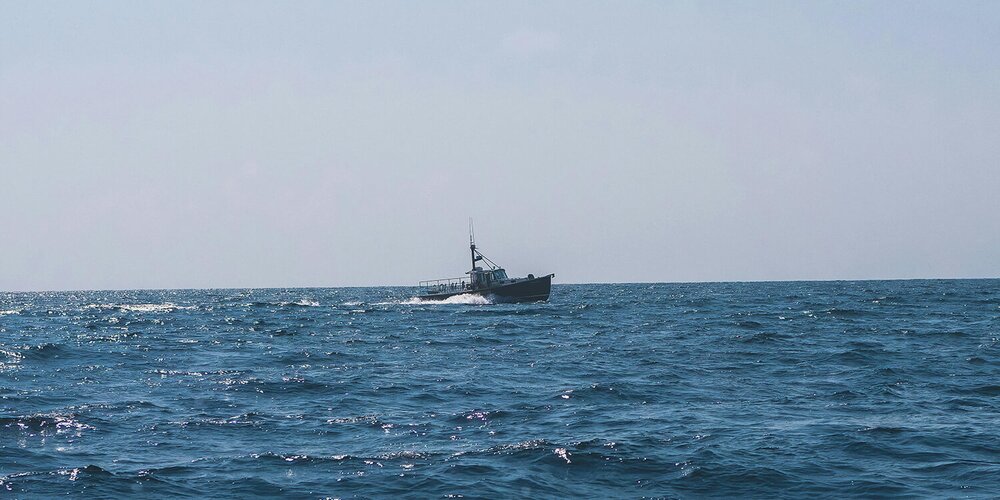
The UK Government has announced plans to extend its ban on bottom trawling in English seas to protect vital marine habitats, amid high-profile calls for urgent actions to safeguard the world’s oceans.
According to government sources, the extended ban would encompass approximately 30,000 square kilometres - covering 41 marine protected areas across the English seabed - a significant increase from the current ban, which covers around 18,000 square kilometres.
The proposed changes will be subject to a consultation with stakeholders in the marine and fisheries sectors to ensure that the measures reflect industry insights and scientific evidence.
Environment Minister Steve Reed issued a strong statement on the matter: “Bottom trawling is damaging our precious marine wildlife and habitats. Without urgent action, our oceans will be irreversibly destroyed”.
Bottom trawling, which involves dragging heavy nets along the seabed, has been widely criticised for its detrimental impact on delicate habitats, including areas rich in lobster, clams, soft corals, and langoustines.
The initiative has garnered support from influential figures within the conservation community. At an event in Monaco ahead of the United Nations conference, Prince William, the elder son of King Charles III and heir to the throne, urged politicians and business leaders to act decisively, adding that measures must be implemented “while we still have the chance”.
His call to action comes at a time when global awareness of environmental issues is at an all-time high, and the extension of the ban is seen as a pivotal step toward more sustainable fishing practices in British waters.
Meanwhile, famed TV naturalist David Attenborough has also voiced his dismay over the continuing practice of bottom trawling. In a recent interview, Attenborough expressed his shock at the damage caused to the deep ocean floor, describing the situation as “unspeakably awful”.
“If you did anything remotely like it on land, everybody would be up in arms”.
Attenborough’s comments have resonated with environmental groups and conservationists who believe that more stringent measures are necessary to preserve the health of marine ecosystems.
However, the proposed extension of the ban has not been welcomed by everyone. The UK's National Federation of Fishermen’s Organisations (NFFO) has criticised the blanket approach.
“As a work designed to entertain and influence, Ocean is outstanding, but – by its nature – indiscriminate,” the NFFO argued in a statement.
“The narrative promoted by Ocean is a story about a fishery of the past. New technology and more scientific, evidence-led fisheries management has led to a present-day fleet that is increasingly selective in its gear and restricted in its activities to those areas that can sustain it.
“Those successes are proof of the fishing industry’s commitment to continually improved sustainability. If we are going to continue sustainably producing food from the sea, a diverse fleet is essential. Bottom trawling is a relatively small, but important, part of that in the UK today”.
The NFFO’s comments highlight a broader debate about balancing environmental protection with the needs of the fishing industry. While there is international consensus on the need to curb damaging practices, critics argue that modern fisheries management and technological advancements have already led to significant improvements in sustainability.
As the Government seeks to navigate these competing priorities, the coming months will be critical in shaping a policy that protects marine life while acknowledging the operational realities of the UK’s fishing industry.
Breaches of regulations and conventions can have serious consequences. At Shearwater Law, our regulatory team offers the most up-to-date, comprehensive, and commercially-astute advice to help you and your business remain compliant.
If you find yourself in need of regulatory legal support, contact our team today.
Explore how Shearwater Law can help you
Meet our team, find and expert and connect
Get in touch, we're here to help