
Browse our services
Explore how Shearwater Law can help you

Find a maritime expert
Meet our team, find and expert and connect

Talk to our experts
Get in touch, we're here to help

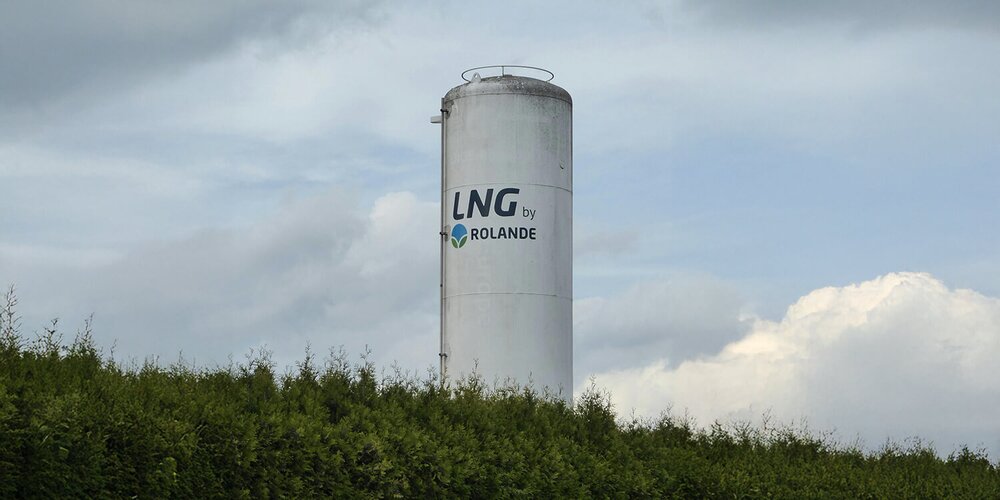
The UK announced plans at the G7 to prohibit British maritime services from supporting Russian LNG shipments to third countries to cut Russia’s export routes and deprive Moscow of maritime‑service access.
Foreign Secretary, Yvette Cooper, set out the policy at the G7 Foreign Ministers’ meeting in Niagara. Cooper said the move would deny Russian LNG the benefit of UK shipping, insurance and related services and would be implemented in step with European partners during 2026.
“Putin is trying to plunge Ukraine into darkness and the cold as winter approaches,” said Cooper.
“Ukraine’s security is our security and that’s why here at the G7, we are standing together as the closest of partners to drive forward support for Ukraine and overcome the challenges the world is facing today”.
The step is part of a broader package of measures to tighten pressure on Russian energy revenues, following earlier sanctions on major oil firms.
Ministers also announced fresh UK support for Ukraine’s battered power system, with a new £13m package intended to help repair energy infrastructure and bolster resilience ahead of winter. This forms part of a wider UK commitment totalling more than £450m for Ukrainian energy security.
The announcements were presented as linked responses, cutting Moscow’s export options while helping shore up Ukraine’s ability to withstand attacks on its grid and heating systems.
The ban targets maritime‑sector inputs that make global LNG trade possible, from ship operations to insurance, broking and other shipping‑related services.
UK‑linked vessels and service providers will be prevented from facilitating carriage of Russian LNG destined for third countries, building on an earlier UK import ban on Russian LNG that has been in place since January 2023.
The phased approach through 2026 aims to align timing with European measures to avoid loopholes in the regional market.
Government spokespeople argued the measure would be particularly effective because the UK is a world leader in maritime services, and cutting those inputs would materially restrict Moscow’s ability to move LNG at scale.
Coordination with partners in the EU and G7 is intended to limit simple rerouting of business to third‑country service centres and maintain collective pressure on Russian export revenues.
The Government said it would publish guidance to affected sectors and work with international partners to close gaps. Officials stressed that the policy would be implemented progressively through 2026 and that rules will be coordinated with European counterparts to reduce the risk of diversion of services to other jurisdictions.
Meanwhile, the £13m assistance package for Ukraine will begin to target urgent energy repairs and resilience measures straight away.
Breaches or sanctions can result in large financial penalties, and significant reputational damage. At Shearwater Law, we take a diligent, straightforward approach to sanctions cases.
We understand the need to achieve a fast, effective resolution. If you find yourself in need of help, contact our team today.
Explore how Shearwater Law can help you
Meet our team, find and expert and connect
Get in touch, we're here to help